Radio
Super Tuscan: the «table wines» that beat the French
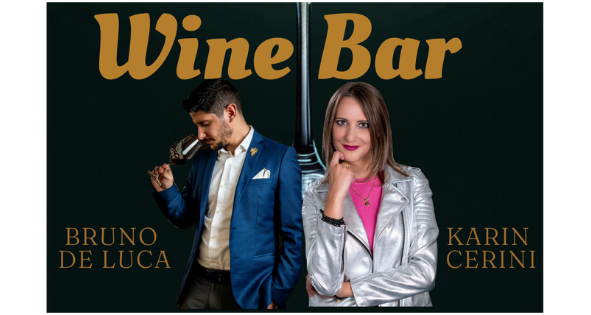
Imagine making the best wine of your life and being told by law that it is a simple «vino da tavola». This really happened in Tuscany, and from that paradox were born some of the most sought-after reds in the world: the so-called Super Tuscan. This is the topic of my Wine Bar column on Saturday, November 14th, on Radio Ticino (every Saturday at 12:10 PM, as a guest of Karin Cerini on Vitamina K). Here I tell you about it with more calm.
The wine the law didn't want
In the Sixties, the Chianti rules imposed a quota of white grapes in the blend, between 10 and 30%. For some producers this was too much: they wanted to make ambitious wines, and so they chose to step outside the rules.
Marquis Mario Incisa della Rocchetta had already planted Cabernet in Bolgheri in 1944. His Sassicaia, first commercial vintage 1968, takes its name from the stones of the terrain. Then comes Piero Antinori with Tignanello: released as a table wine in 1971 and from 1975 it no longer has white grapes.
The name «Super Tuscan» arrived in the mid-Eighties, and is attributed to an English journalist, Nicolas Belfrage. Note: it is not a denomination and has no legal definition. It is not a label: it is a reputation.
The comeback
London, 1978: Decanter magazine organizes a blind tasting of Cabernet from around the world, with great Bordeaux in the competition. Sassicaia wins. An Italian «table wine» that beats the French.
In 1985 Robert Parker gives 100 points to that vintage of Sassicaia. Only 62,500 bottles were made, at 18,000 lire each, a little more than nine euros at today's exchange rate. Now a bottle of that vintage can exceed one thousand francs.
Meanwhile, the others are born: Solaia in 1978, Ornellaia in 1985, Masseto in 1986. Masseto is 100% Merlot, our Ticino grape, brought to collector levels. And the law had to adapt: in 1992 the IGT is created to accommodate these wines, and in 1994 Sassicaia obtains a denomination all for itself, a unique estate in Italy.
What you find in the glass
A full, dark wine, the kind that makes itself noticed. On the nose blackcurrant, cedar and Mediterranean herbs, with vanilla and spices coming from the barrique. In the mouth it is powerful, but with well-fused tannins and good freshness. Those from Bolgheri tend to be riper and saltier, those from Chianti more earthy.
A practical tip: serve it around 18 degrees, in a wide glass, and open it at least an hour before. With autumn cuisine, roasts, game and aged cheeses, it is a guarantee.
How we experience it at Mr.Vino
Great reds have a flaw: the whole bottle is a commitment. That is why we have the Coravin, which allows serving a glass without uncorking the bottle. Taste it by the glass. If it conquers you, take it home.
Come and taste them. Coravin Wine Bar, Via Carlo Maderno 23, Lugano.
Not all wine. Only what is worth a story.